

A blurred flower tattooed around a man’s bellybutton. “Kirk’s Girl” tattooed in black ink over a woman’s heart. Even a tattoo reading “NO REGRETS IN LIFE” running down a client’s spine. Throughout her seventeen years of working in the field, professional laser technician Patricia has removed them all.She says a tattoo’s placement makes a big difference when it comes to the effectiveness of its removal. Laser tattoo removal is one of the aesthetics industry’s fastest-growing job fields, due to the growing amount of people with tattoos they want removed. To take advantage of opportunities in this thriving field, it will help to start with an understanding of how tattoo placement affects tattoo removal.Here are 3 ways tattoo placement matters to professionals in the laser tattoo removal industry.
1. Circulation: Tattoo Placement Affects How Well a Tattoo can be Removed
As you’ll learn in laser technician training, every client’s body reacts slightly differently to laser tattoo removal. It’s up to skilled professionals to tailor each treatment to the particular client at hand. One general rule that applies to everyone is this: the closer the tattoo is to the heart, the more effectively it can be removed.That’s because the closer to the heart, the better circulation the area will get throughout the laser treatment process. Because tattoo removal lasers blast ink fragments apart beneath the skin, it’s up to the body’s white blood cells to circulate through the area and flush the ink out of a client’s system.In this way, tattoos located around and above the chest (like the upper arms, neck, and face) have a better chance of being completely removed by modern laser tattoo removal equipment than tattoos located below the ribs (like the hips, legs, and feet), which experience a slower rate of circulation.
2. Time: Placement Affects How Many Laser Tattoo Removal Sessions Clients Need
In the same way, clients with upper body tattoos often experience faster healing between laser tattoo removal sessions. When you become a laser technician, this information will be central to how you plan out your clients’ repeat appointments.“The normal wait time of 6 to 12 weeks between treatments is optimal for upper and middle body tattoos,” explains Patricia. “For lower body tattoos it may be better to wait closer to 8 to 12 weeks between removal sessions.”Scheduling sessions closer together means it’s possible for clients with tattoos in certain locations to see quicker results than others. For example, the woman with “Kirk’s Girl” tattooed on her chest saw complete removal results in only 6 treatments, while a tattoo of a similar size, shape, and shade located on the ankle took Patricia 8 treatments to remove.
3. Pain: Placement Changes Pain Levels for Clients of Laser Tattoo Removal Training
Perhaps the question clients most frequently ask their laser technicians is ‘how much will it hurt?’ In laser tattoo removal training, you’ll gain the knowledge you need to respond with professionalism and expertise.The truth is that tattoo removal hurts more in locations where it hurts more to get tattooed in the first place—areas where the skin is thin and covers sensitive ligaments. Examples of such areas include the hands, wrists, fingers, tops of the feet, and elbows (what some in the tattoo industry call ‘swellbows’ due to their tendency to swell up after tattooing).With the right training, you’ll learn to remove all tattoos with the minimal amount of discomfort for your clients. At International Beauty Institute (IBI), our students even get hands-on experience with cutting-edge laser technology like the MeDioStar TattooStar Laser, which comes with a built-in cooling tool to help ease discomfort throughout a tattoo removal session.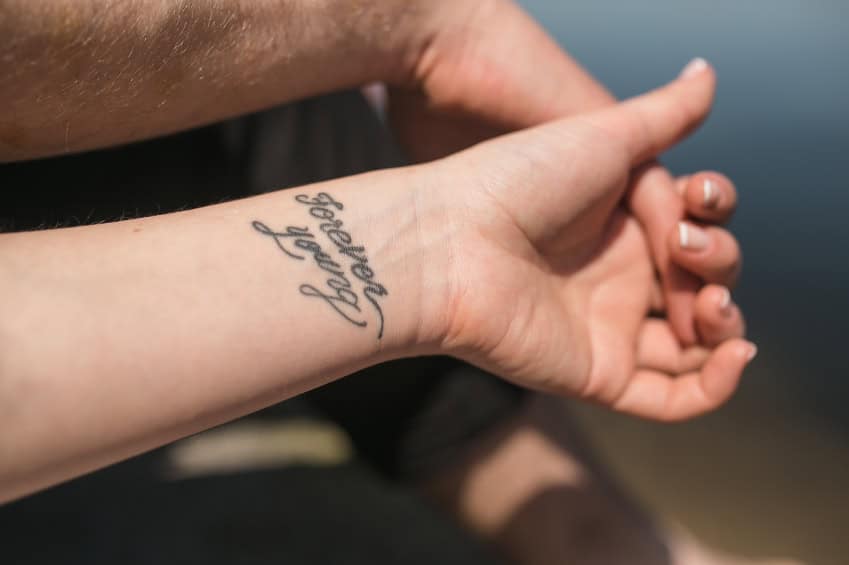
Are you interested in building up your own in-demand skillset with laser tattoo removal courses?
Visit International Beauty Institute for more information about getting started.
Sources: https://www.trlaser.com/2015/09/23/laser-tattoo-removal-does-the-location-of-a-tattoo-effect-its-removal/ http://www.harpersbazaar.com/beauty/skin-care/advice/a4504/laser-tattoo-removal/ http://www.inkedmag.com/10-painful-places-get-tattooed https://www.intlbeautyinstitute.com/laser-technician-diploma/